
Tourist Place

image 2026 01 22t193608.065
Tourist Place

Nou Gaja Peer

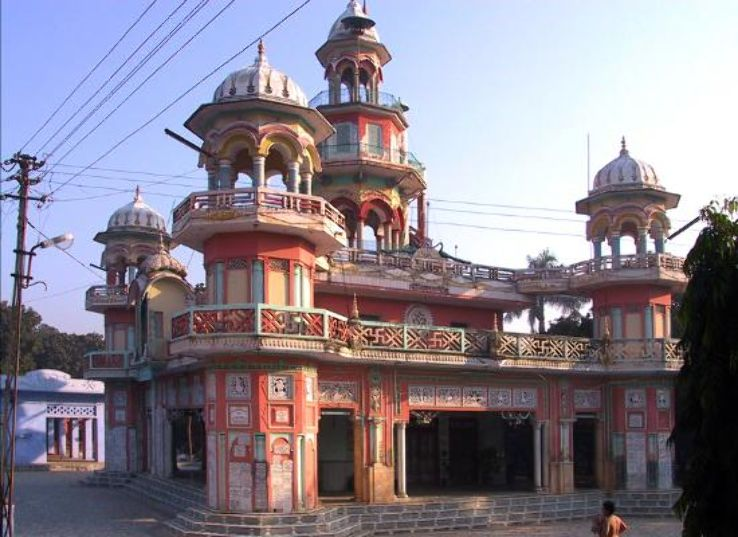
Nou Gaja Peer is a well-known religious and cultural site located along NH 73 in Sadak Dudhli, on the outskirts of Saharanpur, Uttar Pradesh. Blending elements of a mosque and shrine, it draws devotees and visitors of diverse faiths who come to seek blessings and experience its peaceful surroundings. The site is recognized locally as both a place of worship and a tourist attraction. Religious and Cultural Significance Nou Gaja Peer—also known as Naugaja Peer—holds a special place in Saharanpur’s spiritual landscape. According to regional tradition, it commemorates a revered saint whose shrine symbolizes harmony between communities. The adjoining temple and dargah structures emphasize inter-faith coexistence, making it a favored stop for pilgrims traveling along the Saharanpur–Dehradun–Haridwar corridor.  Setting and Atmosphere Situated roughly nine kilometers from Saharanpur city center, the shrine offers a tranquil retreat from urban bustle. Visitors frequently note its serene environment and the feeling of calm it imparts. The surrounding area includes shaded pathways and small vendors catering to pilgrims. Accessibility is straightforward via road, with nearby connections to Mohiuddinpur railway station about two kilometers away.  Visitor Experience As a community landmark, Nou Gaja Peer welcomes steady foot traffic throughout the week, with peak activity on weekends and local festival days. Reviews often highlight the site’s upkeep and the devotion of its caretakers, crediting them for maintaining its cleanliness and spiritual ambience. Modest attire and respectful conduct are expected, consistent with local religious customs.  Role in Local Heritage Beyond its devotional role, Nou Gaja Peer contributes to Saharanpur’s broader identity as a center of cultural plurality. Alongside destinations such as Shakumbhari Devi Temple and Darul Uloom Deoband, it exemplifies the district’s long-standing traditions of spirituality and craftsmanship, drawing both residents and travelers who wish to experience its inclusive religious heritage. 
timur shah durrani e2 80 99s tomb (1)
Tourist Place

Tomb of Timur Shah Bahadur

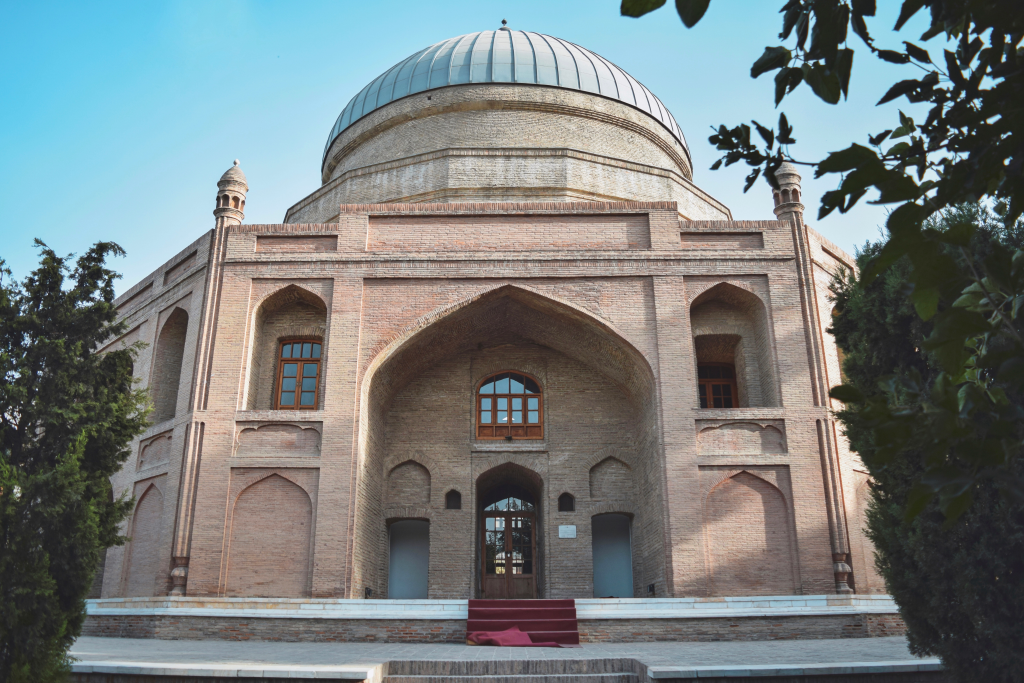
The Tomb of Timur Shah Bahadur in Saharanpur, Uttar Pradesh, is a historical monument and a modest local tourist attraction. Located in Sharda Nagar, Bag Kala Lan, it serves as both a cultural landmark and a glimpse into the region’s architectural heritage. The site holds significance for its old-world charm and its connection to local history and identity. Heritage and Architecture The tomb exemplifies traditional Mughal-style architecture with aged stonework and arched structures that evoke a sense of the bygone era. Though small in scale compared with larger imperial mausoleums, it reflects the craftsmanship and aesthetic sensibilities of its period. Many visitors appreciate its historical ambience and the serene environment surrounding it. Visitor Experience Operating daily from 8:00 a.m. to 6:00 p.m., the site functions primarily as a local attraction rather than a formally managed heritage monument. Reviews highlight the monument’s cultural value and visual appeal but also note the need for improved maintenance and cleanliness. Despite this, it remains a quiet retreat within Saharanpur for history enthusiasts and casual visitors alike. Local Context and Accessibility Situated at XG8G+JMJ, Sharda Nagar, Bag Kala Lan, Saharanpur, Uttar Pradesh 247001, the tomb is easily reachable via local transportation. It occupies a central location amid residential neighborhoods, making it a convenient stop for those exploring Saharanpur’s minor historical sites. The establishment has a moderate rating (around 3.6 / 5 based on over 120 user reviews) on local directories, indicating a balanced visitor experience combining cultural intrigue with opportunities for restoration.

bada of baba shri lal 1523007603t (1)
Tourist Place

Baba Laldas 

Baba Laldas is a Hindu place of worship and local religious site located in Brij Vihar Colony, Dara Kottala, Saharanpur, Uttar Pradesh. Known both as a temple and a spiritual retreat, it attracts visitors and devotees seeking peace, meditation, and blessings. The site is open 24 hours a day throughout the week.  Religious and Historical Significance According to local tradition and visitor accounts, the site marks the tapo bhoomi (meditation ground) of the saint Baba Lal Das, who is believed to have lived during the Mughal era under Emperor Shah Jahan. The temple stands as a reminder of his ascetic life and spiritual teachings, continuing to draw pilgrims and locals alike for prayer and reflection.  Community Role and Setting Situated about 1.5 kilometers from Saharanpur Junction railway station, Baba Laldas serves as both a neighborhood shrine and a tourist attraction. The temple environment is described as calm and well-maintained, offering meditation spaces amid developing urban surroundings. Ongoing restoration and beautification work have further enhanced its accessibility and visual appeal.  Visitor Experience Visitors often highlight the peaceful atmosphere and traditional architecture, making it a favored destination for spiritual rejuvenation. The temple’s open-door policy allows devotees at any hour, supporting rituals, small gatherings, and personal meditation throughout the day and night.  Location Details Address: XHQ2 + 54Q, Brij Vihar Colony, Dara Kottala, Saharanpur, Uttar Pradesh 247001, India.Baba Laldas contributes to Saharanpur’s broader religious landscape, which includes several prominent Hindu temples and shrines across the district. 

image 2026 01 22t192929.486
Tourist Place

Netaji Subhash Chandra Bose Garden (Company Bagh)

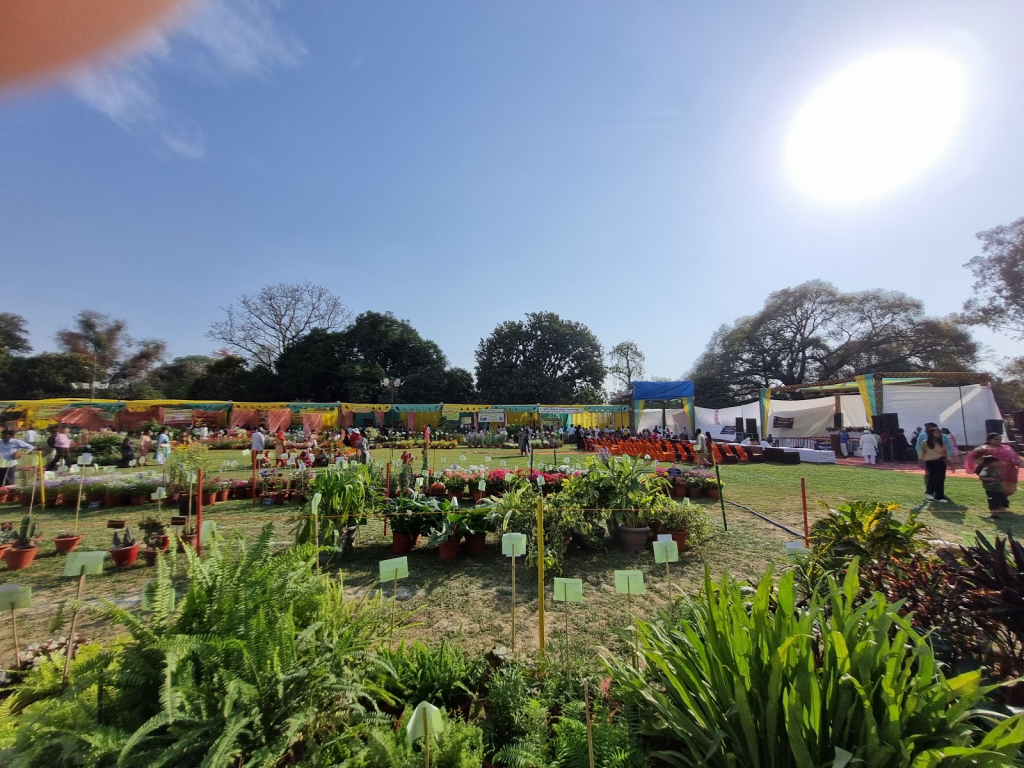
Netaji Subhash Chandra Bose Garden, historically known as Company Bagh, is a historic public park in Saharanpur, Uttar Pradesh. Dating back over 270 years, it stands as one of the city’s most significant green spaces and a major recreational landmark. The park was renamed in honor of freedom fighter Netaji Subhas Chandra Bose in 2020, symbolizing India’s independence from colonial rule.  Historical Background Originally called Company Garden, the park’s earlier name reflected the era of the East India Company. It served as a colonial-era horticultural space and remains integral to Saharanpur’s heritage. The renaming to honor Bose marked a symbolic departure from colonial associations and a renewed civic pride in India’s independence.  Features and Layout The garden spans roughly 125 acres, featuring expansive lawns, walking trails, fountains, and shaded tree avenues. Recent development grants under the Smart City Project introduced facilities such as a yoga pedestal, open gym, theme-based areas, and an eco-learning zone. Authorities ensured preservation of existing trees, with botanical labeling to promote environmental education.  Activities and Use Visitors frequent the park for morning and evening walks, jogging, and yoga. It also hosts the annual Flower and Food Show, displaying varieties of roses, dahlias, and other plants while promoting organic and local produce. Families use the grounds for recreation, and students visit for its botanical and horticultural value.  Accessibility and Visitor Experience Located in Beribagh, just under 500 meters from Saharanpur Junction railway station, the park is easily accessible to residents and tourists alike. It has an entry fee and maintains basic amenities but faces periodic maintenance challenges. Despite this, reviews consistently highlight its greenery, tranquility, and role as the city’s “green escape.”  Civic and Cultural Role Beyond leisure, the garden functions as a community hub and heritage site that honors India’s struggle for freedom. Its transformation from Company Garden to Netaji Subhash Chandra Bose Garden embodies the city’s evolving identity and dedication to preserving natural and historical legacy.